


Supply Chain Management; That’s Adaptive
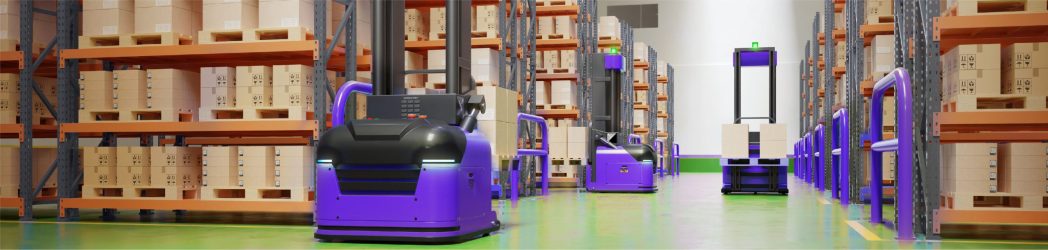
As the world faces grave destruction with the Covid-19 pandemic, its economic infrastructure stands vulnerable in the hands of all countries. One of the most immediate impacts of the global pandemic has been on Supply Chains. From restrictions on personal movement, shipping operations to the physical impact, everything has affected supply chains.
Businesses for years have been trying to change their course of action towards a more sustainable one, but never did they factor a global pandemic into their strategies. Providing goods when needed or desired has never been more challenging.
As a result, supply chains are managed very differently. Existing management tools and practices are being repurposed to handle the new demands and challenges which come with interconnected supply chains.
In a recent piece, while highlighting the impact of Covid-19 on supply chains, WEF suggested businesses should take a comprehensive approach that ensures different perspectives are being considered.
SOURCING NEW ROUTES
Many companies still rely on low-cost jurisdictions such as China and Southeast Asia for their supply chain management and production. As global development has accelerated in recent years, these companies have to rethink their supply chains and ability to face future uncertainties. Aside from the Covid-19 pandemic, issues like globalization, nationalism, protectionism, sustainability, and human rights concern seem to have affected supply chains drastically.
The need of the hour is to incorporate greater transparency throughout the supply chain. Efforts to become more sustainable will require that companies look beyond their standard suppliers. All businesses need to know where their suppliers are located, where they source from, and how much risk they have to offer.
Furthermore, businesses may have to reevaluate their strategies to adapt to the new normal. Being able to effectively communicate and operate in remote working environments could be a start. Businesses with a robust digital infrastructure are leveraging this to maximize their efficacy despite global restrictions.
RESILIENT SUPPLY CHAIN
Changing consumer expectations are becoming a hard reality as businesses strive to create more flexible and resilient supply chains. With digitization on the rise and a more socially aware audience, transparency into products and services is the new demand. Recent research indicates 71% of consumers agreed to pay 35% of the premium for tracking facilities.
As a result of the global pandemic and its massive disruption, more and more customers are moving towards an ecologically coherent conscience resulting in demand for sustainable products and services. According to a leading study, 57% of customers are willing to change their purchase preferences based on sustainability.
And what is the outcome? More and more brands are shifting focus towards sustainable choices with eco-friendly packaging, environmentally conscious delivery methods, and much more.
Technology alone, however, cannot drive value gains. In order for procurement leaders to be effective throughout the product life cycle, they need the right skills to engage their teams while giving them the resources and time to succeed. Many companies will have to change their perspective on managing supply chains for long-term success as a result of this transformation. In addition, the highest levels of the organization need to take responsibility for sourcing decisions.
As geopolitical rivalries deepen and climate change continues to destabilize, there will be more uncertainty to come. The old business-as-usual won’t do. In the future, success will be increasingly driven by the advanced, collaborative supply chains. And as a result of this, adapting to the new normal is now a necessity.
Post a comment